
Best The Ordinary Products for Acne — Routine & Guide (2026)
Best The Ordinary Products for Acne: Complete Routine & Guide (2025)
Looking for the ordinary for acne solutions that actually work? This in-depth guide covers the 5 best The Ordinary products for acne-prone skin, a step-by-step morning and night routine, ingredient breakdowns, common mistakes to avoid, and everything you need to build an effective, affordable acne skincare routine in 2025.
(Affiliate Disclosure: This post contains affiliate links, meaning we may earn a commission if you purchase through our links at no extra cost to you.)
📋 Table of Contents
Why Choose The Ordinary for Your Acne Treatment?
The Ordinary has become one of the most recommended skincare brands for acne-prone skin, and for good reason. Unlike many acne brands that charge premium prices for basic active ingredients, The Ordinary offers clinical-grade formulations at a fraction of the cost. A full ordinary acne routine can be built for under $40 — something that’s nearly impossible with brands like SkinCeuticals or Paula’s Choice.
What makes The Ordinary products for acne particularly effective is their single-ingredient approach. Instead of combining multiple actives into one product (which often leads to irritation), The Ordinary lets you layer targeted treatments based on your specific skin concerns. This means you can address excess oil, clogged pores, inflammation, and acne scarring individually — without overloading your skin.
The brand is also backed by DECIEM’s research team and uses pharmaceutical-grade ingredients with published concentrations, so you know exactly what you’re putting on your skin and at what percentage.
Understanding Acne: Why These Ingredients Work
To choose the right ordinary products for acne, it helps to understand the four main causes of breakouts. First, excess sebum production — your skin overproduces oil, which creates a breeding ground for bacteria. Second, clogged pores — dead skin cells accumulate inside pores, trapping oil beneath the surface. Third, bacterial overgrowth — specifically Cutibacterium acnes (formerly P. acnes), which thrives in blocked pores. And fourth, inflammation — your body’s immune response to bacterial infection, causing redness, swelling, and pain.
Each of The Ordinary products in this guide targets one or more of these root causes. Niacinamide regulates sebum and calms inflammation. Salicylic acid penetrates into pores to dissolve the buildup. Azelaic acid kills acne bacteria while fading the marks left behind. Understanding this lets you build a routine that attacks acne from every angle.
Top 5 Best The Ordinary Products for Acne (Ranked)
After testing dozens of The Ordinary formulations on acne-prone skin, these five consistently deliver the best results. Here’s each product, what it does, who it’s best for, and how to use it.
1. The Ordinary Niacinamide 10% + Zinc 1%
This is the single most important product in the ordinary acne routine. Niacinamide (vitamin B3) at 10% concentration is clinically shown to reduce sebum production by up to 23% after just 4 weeks of use. The added zinc PCA provides antibacterial and anti-inflammatory benefits, making this a powerhouse for anyone dealing with oily, breakout-prone skin. It works well under makeup and absorbs quickly without leaving a greasy residue. → See current price on Amazon
- Reduces sebum production by up to 23% (clinically proven)
- Minimizes the appearance of enlarged pores over time
- Reduces redness and inflammation from active breakouts
- Safe to use twice daily (AM and PM)
- The 10% concentration may cause irritation for very sensitive skin — start every other day
- Can pill under certain sunscreens — apply to slightly damp skin to prevent this
2. The Ordinary Salicylic Acid 2% Solution
Salicylic acid is the gold standard BHA (beta-hydroxy acid) for acne treatment, and there’s a reason dermatologists recommend it as a first-line treatment. Unlike AHAs that only work on the skin’s surface, salicylic acid is oil-soluble — meaning it penetrates inside clogged pores to dissolve the mixture of sebum and dead skin cells causing blackheads, whiteheads, and inflammatory acne. At 2%, this is the maximum concentration available without a prescription. → See current price on Amazon
- Penetrates deep into pores to dissolve clogs at the source
- Highly effective against blackheads, whiteheads, and closed comedones
- Mild anti-inflammatory properties help reduce active pimple swelling
- Prevents future breakouts with consistent use
- Can be drying — always follow with a moisturizer
- Do NOT combine with glycolic acid or other strong acids in the same routine
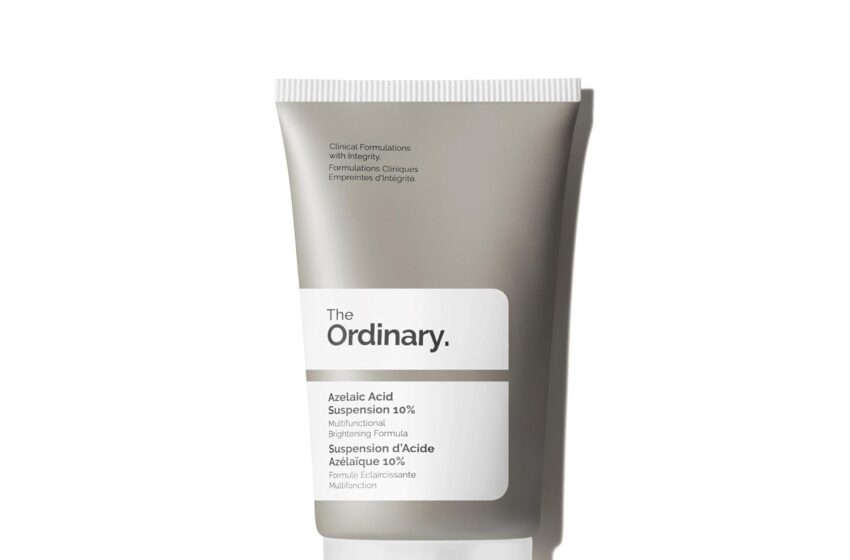
3. The Ordinary Azelaic Acid Suspension 10%

Azelaic acid is one of the most underrated acne treatments available. It’s a dicarboxylic acid that works triple duty: it kills C. acnes bacteria, reduces inflammation, and inhibits melanin production to fade post-inflammatory hyperpigmentation (those dark spots left after a pimple heals). Prescription-strength azelaic acid (15-20%) is actually used to treat rosacea, so even at 10%, you’re getting meaningful anti-redness and brightening benefits. → See current price on Amazon
- Fades post-acne dark spots and hyperpigmentation within 4-8 weeks
- Antibacterial properties directly target acne-causing bacteria
- Calms redness and inflammation — safe for rosacea-prone skin
- Gentle enough for sensitive skin types
- Has a slightly gritty, silicone-like texture that takes getting used to
- Can feel heavy under makeup — best to use at night if this bothers you
4. The Ordinary Glycolic Acid 7% Toning Solution
This glycolic acid toner is one of The Ordinary’s most popular products for a reason — it delivers visible results fast. Glycolic acid is an AHA (alpha-hydroxy acid) with the smallest molecular size, meaning it penetrates the skin effectively to dissolve the bonds holding dead skin cells on the surface. The result is smoother texture, reduced appearance of acne scars, and brighter, more even skin tone. The 240ml bottle is exceptional value — most users say it lasts 4-6 months. → See current price on Amazon
- Dramatically smooths rough, bumpy skin texture within 2-3 weeks
- Reduces the appearance of shallow acne scars and hyperpigmentation
- Prevents future breakouts by keeping pores clear of dead skin buildup
- Large 240ml bottle offers excellent value (lasts 4-6 months)
- Do NOT use on the same night as salicylic acid — this causes over-exfoliation, redness, and a damaged skin barrier
- Increases sun sensitivity — always wear SPF 30+ the next day
- Not suitable for very sensitive or rosacea-prone skin
5. The Ordinary 100% Plant-Derived Squalane
Hydration is the most overlooked step in an ordinary acne routine. Many people with oily, acne-prone skin skip moisturizer entirely — this is one of the biggest mistakes you can make. When your skin is dehydrated, it overcompensates by producing even more oil, leading to more breakouts. Squalane solves this problem perfectly. It’s a lightweight, non-comedogenic oil that mimics your skin’s natural sebum. It absorbs instantly, doesn’t feel greasy, and helps repair the skin barrier that acne treatments like salicylic acid can compromise over time.
- Non-comedogenic (0 on comedogenic scale) — won’t cause new breakouts
- Repairs and strengthens the skin barrier compromised by acne treatments
- Prevents the dehydration-triggered oil overproduction cycle
- Absorbs quickly with zero greasy residue
- Not a standalone moisturizer for very dry skin — best as a hydration booster
- Some prefer a traditional moisturizer on top in dry climates
The Ordinary Acne Products: Quick Comparison
Use this table to quickly compare which ordinary products for acne are right for your specific skin concern.
| Product | Best For | Frequency | Skin Types | Buy |
|---|---|---|---|---|
| Niacinamide 10% + Zinc 1% | Oil control, redness, pores | Twice daily | All (esp. oily) | Buy → |
| Salicylic Acid 2% | Blackheads, clogged pores | Once daily (PM) | Oily, combination | Buy → |
| Azelaic Acid 10% | Acne scars, dark marks, redness | Twice daily | All (incl. sensitive) | Buy → |
| Glycolic Acid 7% | Texture, shallow scars | 2-3× per week (PM) | Normal, oily | Buy → |
| Squalane | Hydration, barrier repair | Twice daily | All skin types | Buy → |
The Ordinary Acne Routine: Step-by-Step Guide (AM & PM)
Here’s exactly how to layer these products in the right order for the best results. The key principle is: apply water-based products first, oil-based products last, and thinnest to thickest consistency.
Morning Routine (5 Steps)
- 1Gentle Cleanser — Use a non-stripping, pH-balanced face wash (like CeraVe Foaming or La Roche-Posay Toleriane). Avoid harsh cleansers that strip your skin and trigger more oil production.
- 2Niacinamide 10% + Zinc 1% — Apply 2-3 drops to slightly damp skin. This controls oil throughout the day and reduces redness from active breakouts.
- 3Azelaic Acid Suspension 10% — Apply a thin layer over acne scars and dark marks. This brightens skin and provides ongoing antibacterial protection during the day.
- 4Lightweight Moisturizer — Use a non-comedogenic moisturizer. For oily skin, a gel moisturizer works best. For combination skin, try a light lotion formula.
- 5Sunscreen (SPF 30+) — This is non-negotiable. Active ingredients like glycolic acid and azelaic acid increase sun sensitivity. Skipping SPF leads to worse acne scars and hyperpigmentation.
Night Routine (4 Steps)
- 1Double Cleanse — First, remove sunscreen/makeup with an oil cleanser or micellar water. Then wash with your regular gentle cleanser. This ensures no pore-clogging residue stays on your skin overnight.
- 2Salicylic Acid 2% Solution — Apply to clean skin. This works overnight to penetrate pores and dissolve the oil and dead cell buildup that causes blackheads and breakouts.
- 3Niacinamide 10% + Zinc 1% — Apply 2-3 drops. Works overnight to regulate oil production and calm any inflammation from the day.
- 4100% Plant-Derived Squalane — Apply 3-4 drops as your final step. This locks in hydration and repairs your skin barrier while you sleep.
5 Common Mistakes When Using The Ordinary for Acne
These mistakes are the most common reasons people don’t see results from their the ordinary acne treatment — or make their skin worse.
When to Expect Results from The Ordinary Acne Routine
One of the most common questions about the ordinary skincare routine for acne is how long it takes to work. Here’s a realistic timeline based on what each product targets:
In the first 1-2 weeks, you may experience a mild “purging” phase — especially with salicylic acid and glycolic acid. This happens because these exfoliants accelerate cell turnover, bringing existing clogs to the surface faster. Purging looks like small whiteheads in areas where you normally break out. This is normal and temporary.
By weeks 3-4, you should notice reduced oiliness (from niacinamide), fewer new blackheads (from salicylic acid), and calmer, less red skin overall.
By weeks 6-8, you’ll see significant improvement in breakout frequency and skin texture. Acne marks will start to visibly lighten from the azelaic acid. Pores will appear smaller.
By weeks 10-12, you should see the full benefits — clearer skin with noticeably fewer breakouts, faded acne scars, smoother texture, and balanced oil production. At this point, you’re in maintenance mode.
Frequently Asked Questions About The Ordinary for Acne
Final Verdict: Best The Ordinary Products for Acne by Concern
Here are our top picks based on your specific acne concern. For the most complete treatment, we recommend using all five products in the routine above.
Start Your Acne-Free Skin Journey Today
Building an effective The Ordinary acne routine doesn’t have to be complicated or expensive. Start with niacinamide and salicylic acid, be consistent for at least 4-6 weeks, and gradually add in additional products as your skin adjusts.
Have questions about your specific skin type? Leave a comment below and we’ll help you customize this routine.
If you found this guide helpful, share it with someone who’s struggling with acne — affordable, effective skincare should be accessible to everyone.